How Do You Prune Yard Long Bean Plants?
Yard-long beans are an annual legume used in many Malaysian recipes, and they’re ideal for growing in your vegetable garden.
These beans are effortless to grow and can adapt to almost all weather even though they prefer a hot and humid climate.
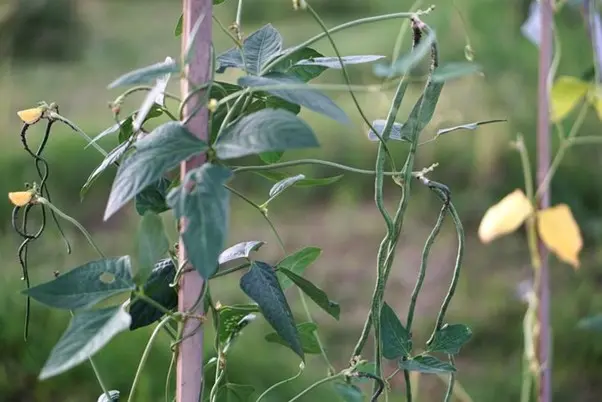
One of the primary characteristics of yard-long beans is that they grow vertically, so it’s a terrific legume for those with limited space.
Besides, it’s more accessible to harvest. Gardeners plant yard-long beans in rows near anything they can climb, such as fences or frames.
According to some vegetable growers, if you want to increase your yard's long bean harvest, prune or pinch them.
However, there is still some confusion about the effectiveness of pinching the beans. Here is everything you should know about how to prune yard-long beans.
Planting Yard Long Beans
Grow yard-long beans from seed and plant them approximately 1.3cm deep and 90cm from each other in rows. Keep in mind that you’ll need to wait 10 to 15 days for the seeds to germinate.
We recommend growing the beans in the vegetable gardener’s sunniest area; this way, you can ensure maximum production. In tropical places like Malaysia, it’s possible to grow yard-long beans almost all year long.
When you grow yard-long beans, you need to be patient as it takes almost 90 days for the flowers to grow. Always grow this type of beans near a fence or place poles or a trellis, so they have something to climb up.
Once they mature, you need to check them daily as you’ll need to harvest continually. Vegetable growers recommend picking yard-long beans when they’re approximately 0.60cm wide or a pencil’s size.
The optimal length for harvesting yard-long beans is 30 to 45cm long.
Pruning Yard Long Beans
Even though you can prune yard-long beans, it’s not required. Note that gardeners prune vegetables to stimulate the plant to become bushier and occasionally to produce more fruit.
So, why would you want to pinch bean tips?
Pinching yard-long beans can indeed stimulate growth; however, it’s typically short-lived. These types of beans are commonly fruitful growers and always follow the sun, so pinching them is unnecessary.
If you want more beans in a harvest, it’s best to collect the beans constantly, as this encourages the plant to produce generously
How To Pinch Yard Long Beans?
Gardeners pinch yard-long beans usually at the end of the growing season to stimulate the quick ripening of current pods and stop the temperature to extinguish the entire plant.
Before pruning the yard-long beans, it must set pods. Cut the main stem back to the wanted height with sharp scissors or shears. Be careful not to cut lower than set pods.
When the yard-long bean is taller than its support, it’s time to cut again.
Please keep in mind that new sets of flowers start to grow every time you prune the vines. Besides, pruning is a terrific way to maintain yard-long beans healthy as it reduces pests and fungal infections.
Common Pests
Yard-long beans aren’t as exposed to bean beetle contamination as green beans. But it’s vital to pay attention to other pests such as aphids and thrips.
Yard-long beans are also inviting to animals like rabbits and groundhogs. We recommend building a fence to prevent any damage.
In a Nutshell
Yard-long beans are ideal for growing at home as they need only a sunny location, water, and a fence or trellis to climb.
Since they’re a warm-season crop, Malaysia offers the perfect conditions for growing as they need to be planted when temperatures outside are approximately 22 to 30 degrees Celsius.
These beans have an extended period for harvest as they can take up to 90 days after sowing. Vegetable growers recommend planting the beans directly into the soil as they have got a fragile root system.
Make sure to water the soil immediately after sowing and then 3cm of water per week. Keep in mind that yard-long beans don’t need additional fertilizer unless the soil is sandy and very poor in nutrients.
Finally, prune yard-long beans at the end of the growing season to keep them healthy and away from pests and animals.