
How To Increase The Yield Of Bitter Gourd
Bitter gourd or bitter melon is among the most trendy vegetables in Asia, especially in Malaysia, for its delicious flavour and nutritional value. This plant is part of the family Cucurbitaceae, along with watermelon, cucumbers, squash, and muskmelon.
Bitter melon is widely used for culinary recipes and is usually served with meat and soup. It contains vitamin C, folate, and alkaloids, and it is ideal for boosting the immune system. People who have diabetes drink bitter gourd juice to control blood sugar levels.
This terrific plant originated from Southern China. Fruits have an oblong form, and they’re approximately 20 centimetres long. Please note that the fruit changes from green to yellow to orange as it matures.
One of the primary features of bitter gourd is the watery and crunchy texture of the meat. The fruit is bitter thanks to the quinine composition. Tropical countries eat bitter melon as a remedy for malaria.
Soil and Planting
Bitter gourd seeds can grow on altitudes up to 1,000 meters. They’re sub-tropical plants and need at least 18 degrees Celsius for early growth.
The ideal temperature to grow bitter gourd seeds is between 24 and 27 degrees Celsius. We recommend not to expose the roots to extremely low temperatures as this will impede growth. This unique plant can tolerate different rain conditions.
Even though bitter gourd seeds can withstand almost all soil types, if you want to increase yield, make sure to provide them with well-drained sandy loam soil. Soil should be rich in organic matter, and the perfect pH is within 5.8-6.6.
It is a wise idea to add compost to improve soil and get abundant yields.
Keep in mind that bitter gourd’s roots decompose on moist soil, so it’s better to grow them in trellis vines. If you have space in your vegetable garden, grow the seeds on a fence or squarely distributed supports.
Growing bitter gourd seeds on trellis vines reduces disease plagues on fruit and make harvesting effortless. Make sure to space seedlings 2.74 to 3.05 meters apart when growing along a fence.
Bitter gourds grow long and straight if they’re harvested as hanging fruit. But if you don’t use trellis vines, it’s required to add mulch soil below vines. Doing this maintains soil moist but prevents fruit decay.
We recommend cutting the growing tip and some lower lateral branches once the stems rise to the top if you are growing bitter gourd seeds in trellised vines. Pruning allows vines to grow near the maturing tip. Once you prune, you can see how the upper branches thrive.
In case you’re not growing hanging fruit, make sure to prune vines once the first female flowers show. Always keep the soil moist. Remember, bitter gourd plants grow best when soil moisture remains balanced.
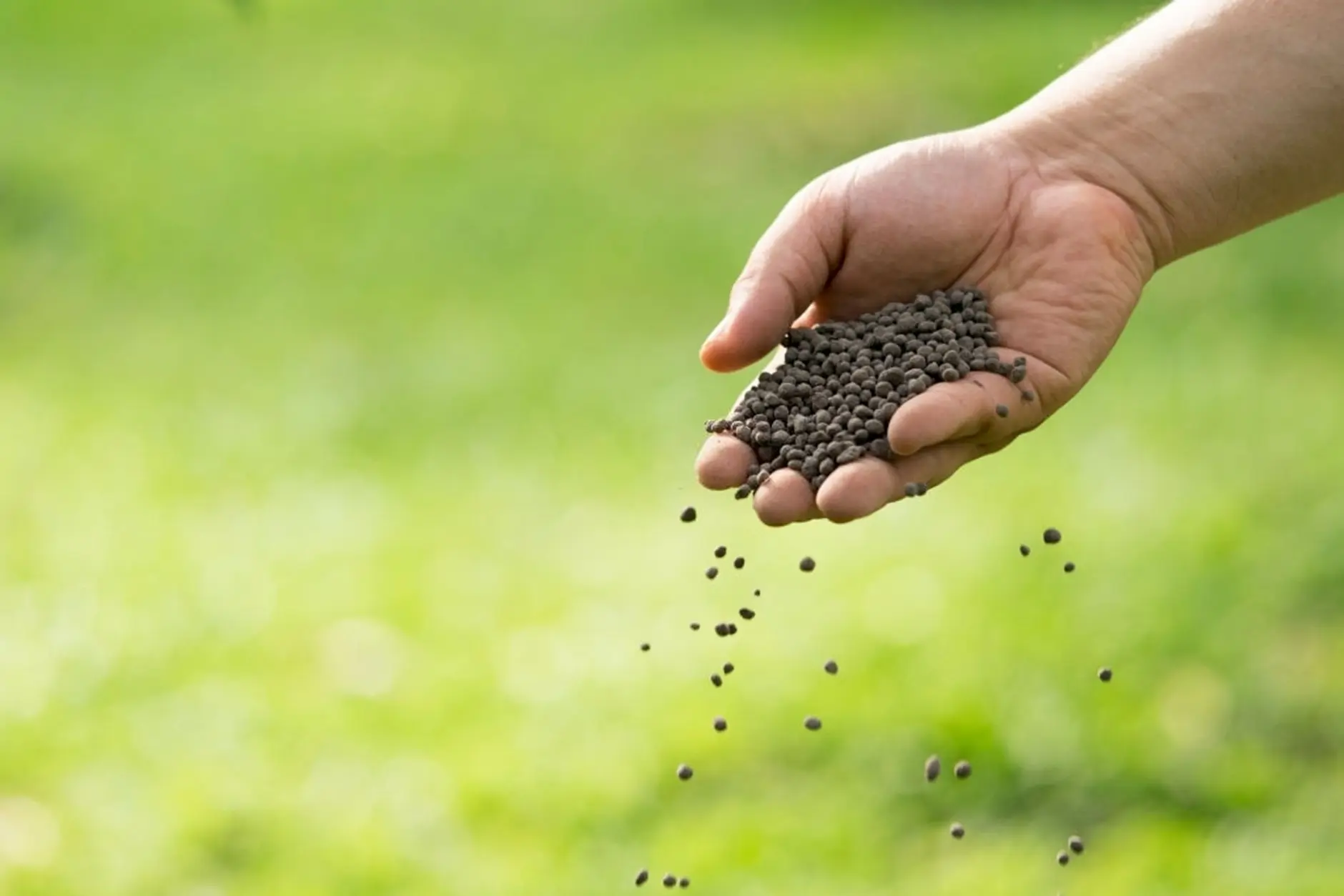
It is crucial to add fertiliser into the soil to enhance its nourishment and consistency before planting bitter gourd seeds. Adding fertiliser throughout the growing season is a terrific idea to increase yield.
Site
It is vital to choose a warm and sunny location to grow bitter gourd seeds. Please note that these fruits need a minimum of six hours of sun each day. Keep in mind that bitter melons prefer hot and humid climates.
Sow bitter gourd seeds in holes about 1.25 centimetres and spaced 30 centimetres apart. We suggested planting two seeds in each spot.
In eight to ten days, seeds germinate if all the conditions are met. Please note that extreme temperatures and unbalanced soil can slow germination.
Pests
It is crucial to pay attention to spotted and striped cucumber beetles as the bitter gourd is prone to attack. Cucumber beetles can destroy the vines if they enter the fruit. Please note that you can’t cure infected vines.
It is possible to use an insecticide, but please be careful not to harm honey bees. Another insect that can damage bitter melons is fruit flies. Fruit flies can multiply and extend fruit rot.
An excellent way to prevent flies is by protecting fruits with paper bags or covering them with newspaper when the plants are 2.55 or 5 centimetres long.
In a Nutshell
Follow the above tips to increase the yield of bitter gourd and enjoy this versatile fruit all year long.
The best temperature for the bitter gourd seeds to grow is between 18 and 25 degrees Celsius. Make sure to grow bitter gourd seeds in rich soil with a balanced pH.