How to Start Growing Yard-Long Beans in Your Garden?
One of the most trendy legumes to grow in vegetable gardens is yard-long beans. These beans are an actual yield in several warm territories worldwide, including Malaysia.
Yard long beans are relevant to black-eyed peas, and they’re also known as Chinese long beans, pea beans, snake beans, and asparagus beans.
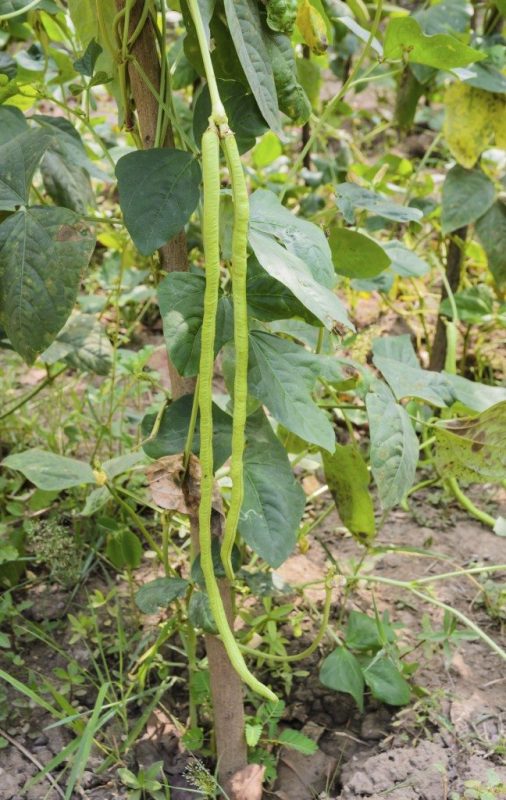
Yard-long beans can grow up to 90cm in length. However, they’re commonly harvested before they stretch to that size. These beans are typically used in Malaysia and on other Asian plates.
One of the primary benefits of growing yard-long beans is that they can grow in most temperatures. But they prefer hot and humid climates.
Steps For Growing Yard Long Beans
1. Start At The Right Time
If you want your yard-long beans to flourish, we recommend waiting until the temperatures are hotter, as these vegetables can take the heat.
Yard-long bean seeds sprout and grow best in climates within 24 to 32 degrees Celsius.
Since Malaysia is a warm region, these legumes can be grown almost all year long; however, the best months for planting are from March to June.
2. Choose The Location
Choose an area in your vegetable garden that has full sun for more than 6 hours per day. Spread a 5 to a 10-cm layer of compost over the planting space. Dig into the soil holes of 20 to 25cm.
Plant yard-long bean seeds about 2cm deep and leave 6cm between each hole. We recommend spacing the rows about 60cm apart.
3. Don’t Transplant Yard Long Beans
It’s crucial to always plant yard-long beans directly into the soil. It would be best if you didn’t transfer these legumes as they have a fragile root system.
Make sure to plant yard-long bean seeds with the “eye” looking down.
4. Provide Yard Long Beans With Something To Climb
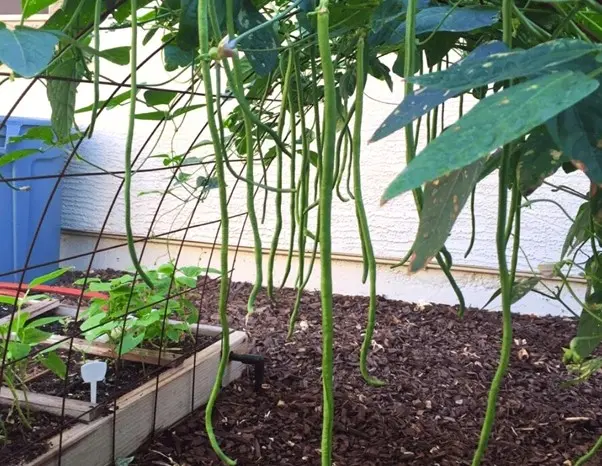
Note that yard-long beans can grow very tall, so it’s best to provide them with something to climb.
We suggest growing seeds near a trellis or structure with solid vertical supports. The assistance should be in place from the beginning to prevent upsetting the roots of yard-long beans.
When you grow yard-long beans vertically, it’s easier for you to harvest and protect the beans from plagues.
5. Thin The Plants
Once the plant starts seeding, it’s time to thin out to a 15cm spacing. In Malaysia, it’s possible to continue planting at intervals of two or three weeks and grow yard-long beans all year long.
6. Fertilisers
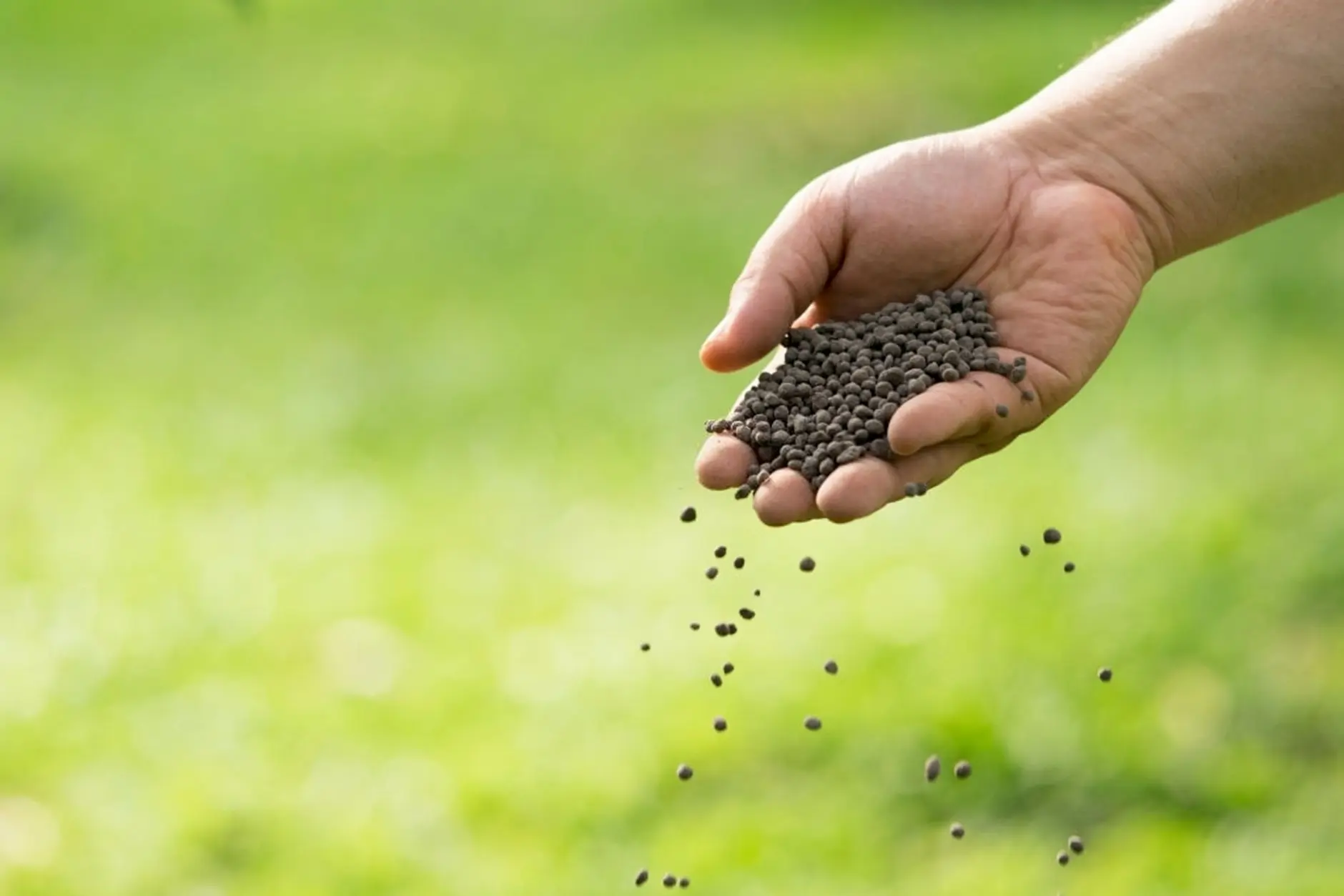
Expert gardeners recommend applying a soil inoculant before sowing as it’s beneficial for beans.
Layering the seeds with inoculant makes it easier for the legumes to get nitrogen from the air to act as fertilizer. Note that high-nitrogen fertilizers aren’t necessary.
7. Time To Harvest
Harvest yard-long beans when they’re approximately 25-30cm long for optimal flavor. It’s crucial to avoid the pod becoming too soft or spongy, as this means that the beans inside the pod are growing, and it’s not tasty anymore.
Be careful when you harvest the yard-long beans, as it’s crucial to twist the vine’s bottom. Never pull the bean. Note that when you turn the plants, this leaves the vine ready to grow more beans.
It would be best if you harvest yard-long beans often as this stimulates more production. When you leave legumes on the vine, the production decreases as the plant thinks its job has finished.
Keep in mind that the pods grow in pairs. It’s possible to eat the pods the same way as green beans. We suggest eating yard-long beans immediately or within 24 to 48 hours of harvesting.
In a Nutshell
Yard-long beans are a fantastic legume to grow in your vegetable garden. Remember to choose an area that receives at least 6 hours of sun per day.
Remember even though these beans are somewhat drought-tolerant, it’s crucial to give them 3cm of water each week. Extended dry periods will make the beans dry, and they won’t correctly grow.
Moreover, it takes approximately 75 to 80 days for harvesting yard long beans, but once they’re ready, they’ll harvest fast. Make sure to pick them up to stimulate more production continually.
Follow the steps above, and you can enjoy fresh yard-long beans in your favorite meals.
Happy planting and eating!