Vegetable Gardening for Beginners (Part 2)
*Read the Part 1 from https://soonhuatseeds.com/vegetable-gardening-beginners-part-1/
Planning
Depending on which vegetables you are growing, you need to plan your vegetable garden layout. You can do it in two ways:
Row Cropping
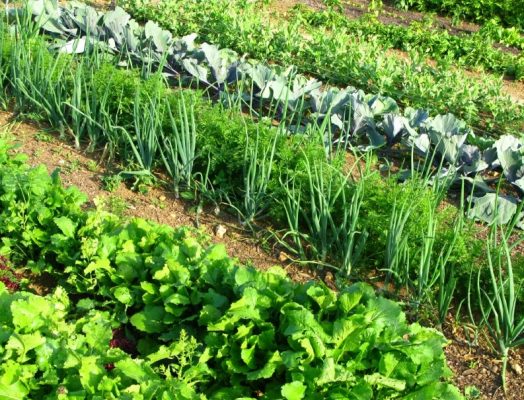
Row Cropping is perhaps the most common one and it is what comes to your mind when you think about how to grow a vegetable garden.
In this type of layout, you need to place your vegetable seeds in a single file in rows with a walking path between each row. It is great for large vegetable gardens and you may even use mechanical equipment.
You need to allow at least 18 inches between rows, this way you will have plenty of space to work between them.
It is a good idea to place taller vegetables, like tomatoes, peas, cucumbers, and beans, on the north side of the garden.
Intensive Cropping
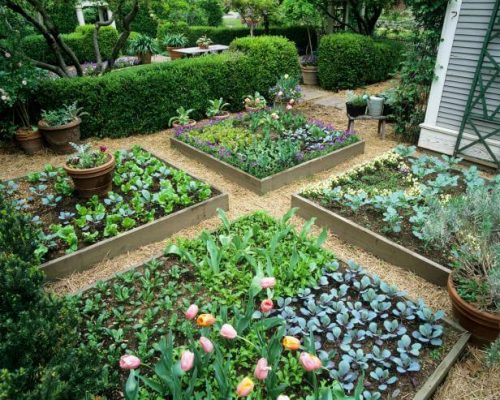
Intensive cropping is planting a raised bed vegetable garden in wide bands, of about 1 to 4 feet across and as long as you like.
If you decide to grow your vegetable seeds this way, you will reduce the amount of area needed for paths, but because of the lack of space, you have to weed by hand.
It is very important not to make the bands wider than you can comfortably reach. A great way to do intensive cropping is by dividing the garden into small sunken beds of 4 by 4 feet and subdividing into a 1-foot square.
Fixing the Soil
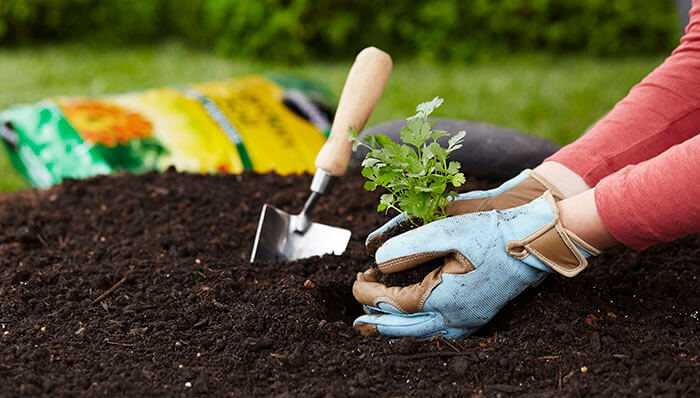
Before you buy your vegetable seeds online or in a store, it is a good idea to test the soil or your vegetables will suffer.
You can test your soil in three easy steps: The first thing you need to do is soak the soil with a hose, wait for 24 hours, and dig up a handful of soil to test.
Once you have the soil in your hand, squeeze it hard. If the water streams out is a good idea to add compost or organic matter. Moreover, it is also recommended to test the soil temperature to help determine drainage.
The optimum soil temperature is 27°C. Finally, open your hand. If the soil is not a ball or falls apart when you touch it, the soil is too sandy.
To improve sandy soil, you need to add organic matter. If the ball breaks into crumbs when you touch it, your soil is in perfect condition.
Keep in mind that if your soil doesn’t drain well, it is recommended to install raised beds as opposed to sunken beds.
Digging Your Raised Bed
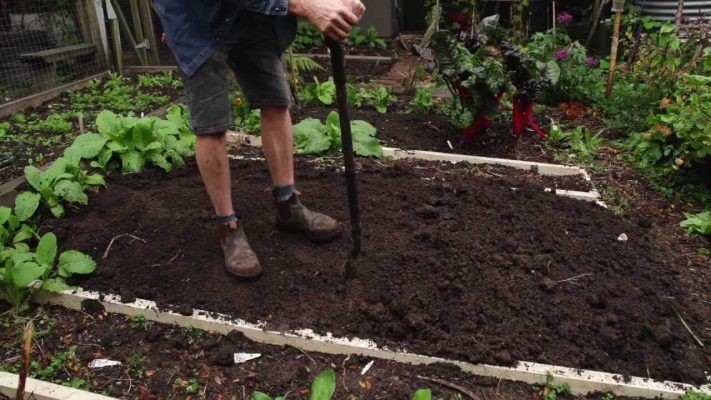
You are ready to start digging. Follow these steps before digging your new vegetable and herb garden.
1. Loosen your Soil
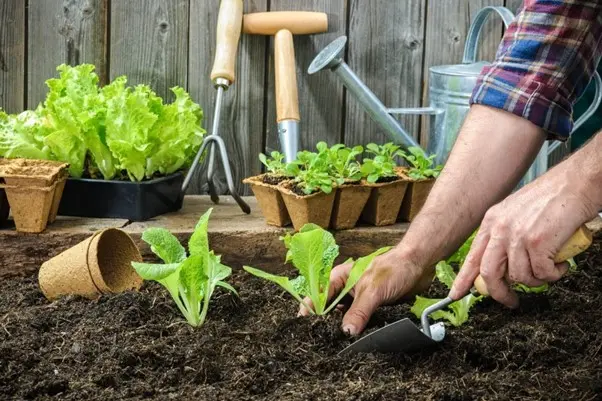
You can dig the raised bed or sunken bed by hand or use a tiller to loosen the soil.
2. Spread out the Soil
After you loosen the soil, it is time to spread out soil amendments, like compost. Be careful not to step on freshly tilled soil, or you will be compacting the soil.
3. Smooth Surface
After you dig, it is time to smooth the surface with a rake, and water it completely. Remember you have to wait several days before you plant your vegetables and herbs seeds.
4. Test soil temperature
Remember to have a soil thermometer handy to test the soil temperature before placing your vegetable seeds.
Care
It is time for you to take care of your vegetable seeds. Remember the following:
- Warm season vegetables will need about 1 inch of water per week. Remember to water vegetable seeds when the top inch of the soil is dry.
- For in-ground crops, you will need to water once or twice a week.
- Raised beds drain faster than sunken beds so you may need to water them every other day.
- For vining crops, like green beans and peas, make use of vertical space in the garden and boost yield per square foot.
- Keep weeds to a minimum.
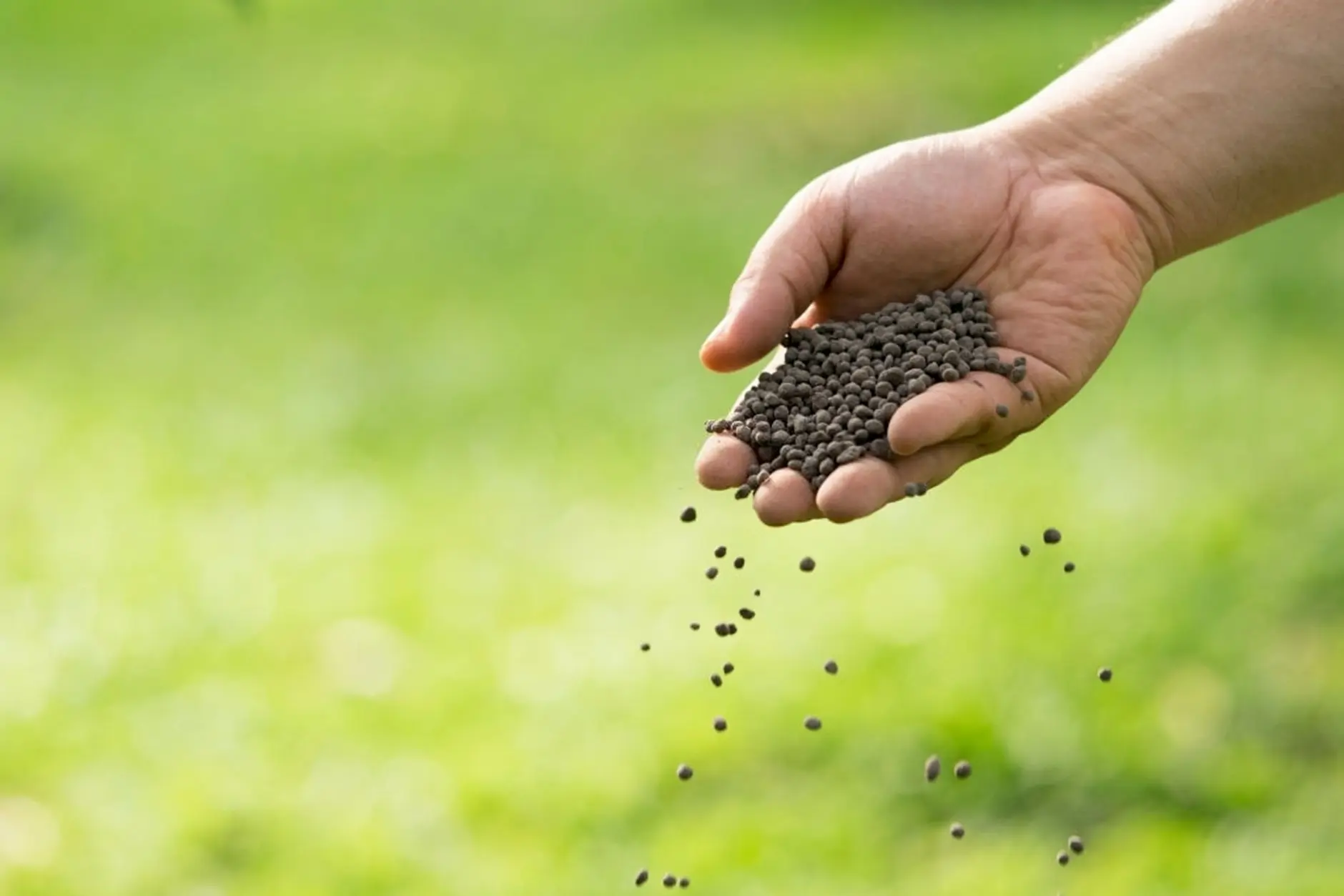
- You should consider using vegetable fertilizer. You can buy the box or bag from where you buy your vegetable seeds online or in the store. Remember to follow the instructions when applying.
Harvesting
Now the fun part, it is time to harvest! Remember vegetables can be harvested at several stages.
Follow this general rule: if it looks good enough to eat, it probably is.
And remember with many vegetables, the more you pick, the more the plant will produce.
Pests and Diseases
As you may already know, pests and diseases are problems for most vegetable gardeners. So it is a good idea to ask an expert how to get rid of them.
There is certainly something you can do about them.
a. Fence
To keep deer, rabbits, or other bigger pests away from your raised bed vegetable garden, it is a good idea to build a fence.
The fence should extend 6 inches under the soil and at least 8 inches above the ground.
b. Insects
You can cover your vegetable garden with row covers, this will also prevent damage from light frosts.
Larger insects and caterpillars can be picked off by hand. You can also use insecticidal soap sprays to control harmful bugs; most vegetable seeds online stores carry these products.
c. Fungal Diseases
Always water the soil, not the leaves of vegetables. It is better to water early in the day so the leaves will dry by nightfall.
They are also vegetable seeds available that are listed as disease resistant. To know which varieties offer the most protection, look at garden catalogs and vegetable seeds stores online.
Remember, it is also a good idea to change the location of your plants each year. Now you are ready to start your vegetable garden. Be patient, have fun and enjoy your vegetables!