Vegetable Gardening Tips: How To Plant Lettuce Seeds
Do you know picking a sunny spot and making sure the soil is primed is crucial when it comes to planting your lettuce? Read on to find out the steps to be followed when planting lettuce seeds. Also, note that lettuce leave is not in good competition with weeds.
Before you plant, make sure the ground is ready. Rotating positions from year to year helps to control many diseases. Closely spaced crops can help to control weeds. These hacks for beginners will be very helpful for you to grow lettuce.
1. Prepare the Seed Trays to Plant
Fill the seed trays to within 1⁄2 inch (1.3 cm) of the rim with a soilless liquid. Moisten the substrate in preparation for seed sowing. Seeds provide the nutrients that need to be germinated, so you can plant them in a soilless growing medium.
You may purchase a growing medium and render the same mixture of vermiculite, perlite, and milled sphagnum moss. Since the lettuce seeds will be transferred to the ground until they sprout, the aesthetics of your seed trays are not as critical as their usability.
2. Prepare the Planting Bed
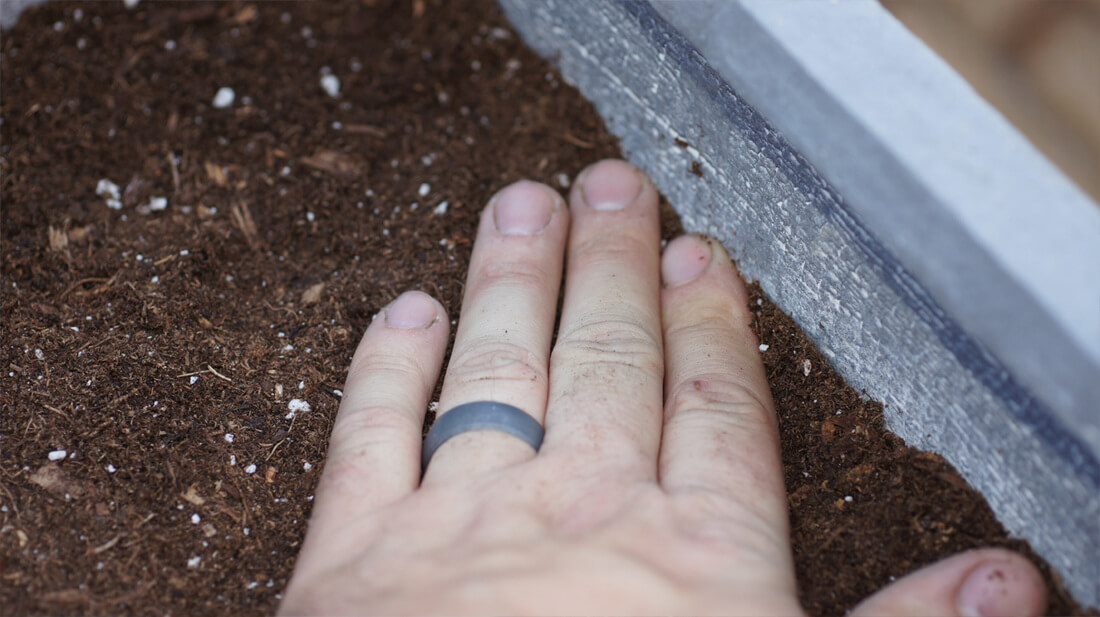
You must prepare to plant the lettuce as long as the fertilizer is running. Choose a land area that drains well and receives plenty of sunshine. Use a soil tiller or spade to split the ground and clear stones, sticks, and roots from the field. Lettuce seed is good, but there are certain factors that won’t allow it to grow properly.
The ground shouldn’t be too soggy and needs to have plenty of nitrogen. Make sure the ground is abundant in humus as well. Speak to someone with experience, such as Soon Huat Seeds to discuss ways to improve the soil in your area and make it outstanding for growing lettuce.
3. Fertilize the Bed
Add in manure and mix fertilizer in the bed at least one week before planting. Optionally, a nitrogen-heavy fertilizer can be added alongside the plants after about three weeks when the leaves are four inches (10 cm) wide.
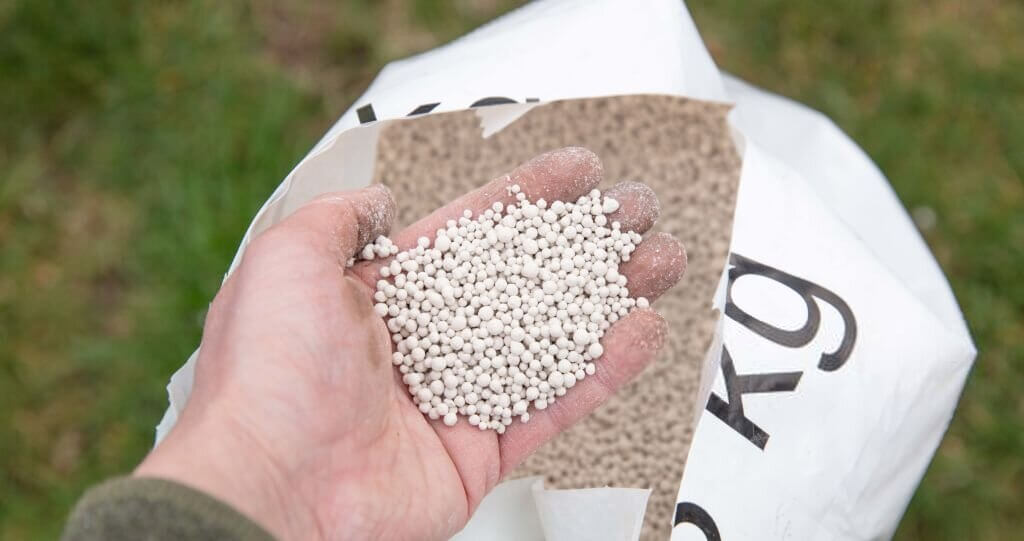
4. Broadcast and Place the Seeds Over the Tilled Soil
Lettuce seed is weather-hardy, so you can typically plant it directly in the soil about two weeks before the last predicted spring freeze, or up to six weeks in advance if cold frames or tunnels cover it.
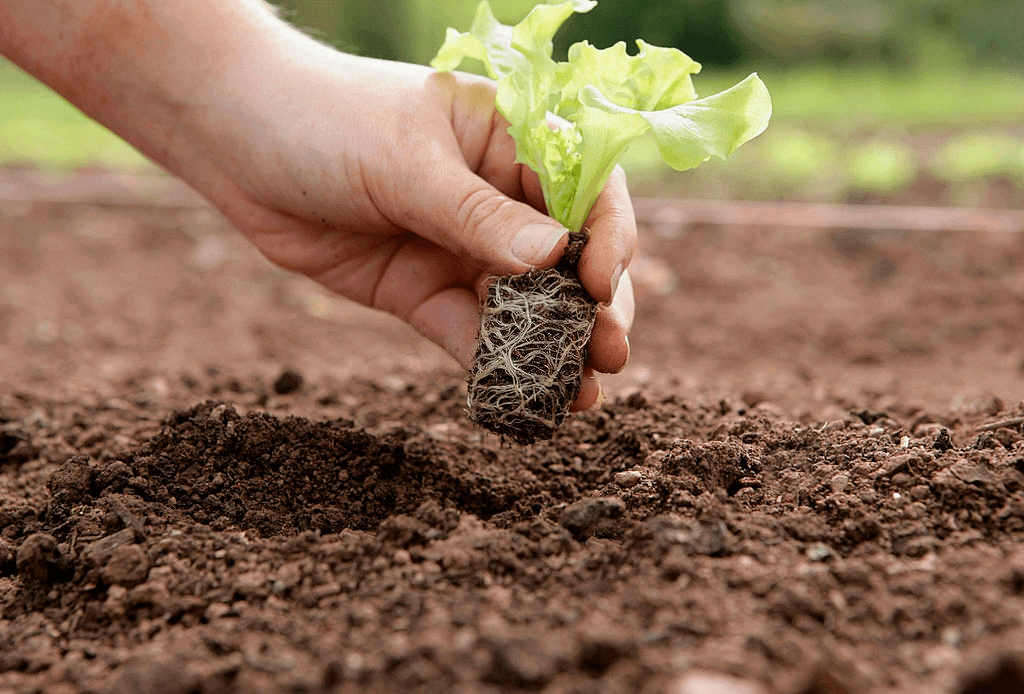
5. Keep the Lettuce Seed Well Fed
If the leaves appear wilted, they have to be fed. Giving the lettuce a gentle sprinkling every day, and can make the leaves appear a little soft.

6. Rip Off Mature Lettuce Leaves
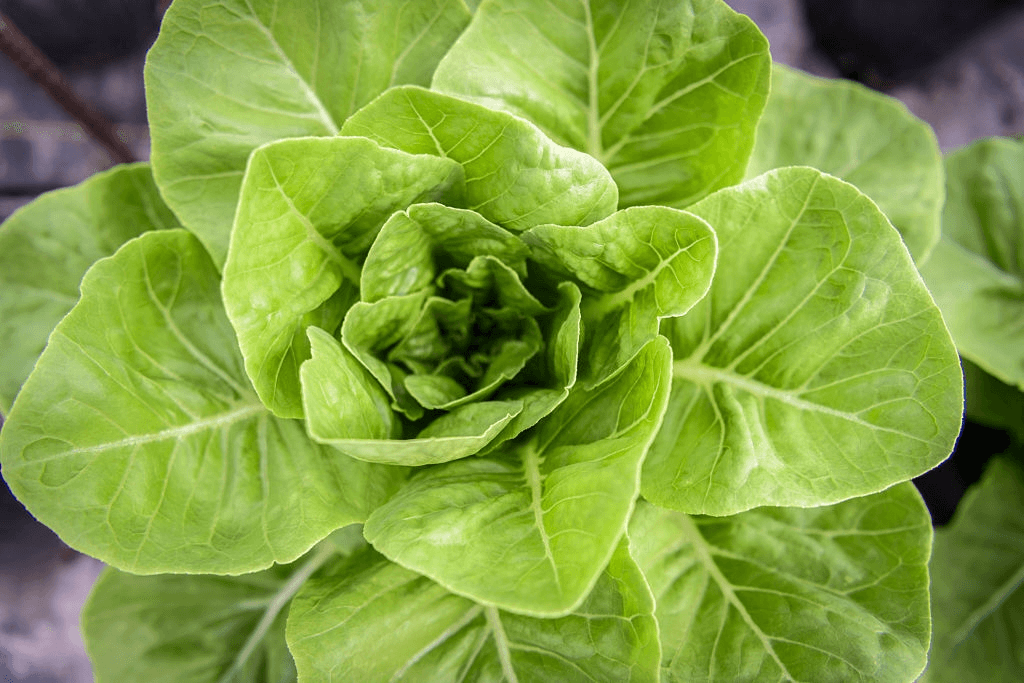
When the leaves are ripe enough to consume, they look like lettuce leaves that you would find in a grocery store. Slice them with a harvest knife or scissors.
Harvest leaves at night for crispness, and they’re going to keep it if you’re harvesting early.
In a Nutshell
Remember all the steps above and vegetable gardening tips; the soil should be soft and well-drained so that it is damp without being soggy. To maintain the soil healthy, supplement it with composted organic matter about a week before planting or transplanting.
Since the seed is so low, seedbed cultivation is a proven method of minimizing weed seeds. Prepare the ground a few weeks before planting garden crops.
When weeds begin to appear, gently spray the soil and eradicate the weeds, but not to such a degree that fresh weeds are brought to the surface of the ground or given a chance to germinate. This approach decreases the incidence of weeds significantly.
Happy planting!