What Do You Need to Grow Organic Vegetables?
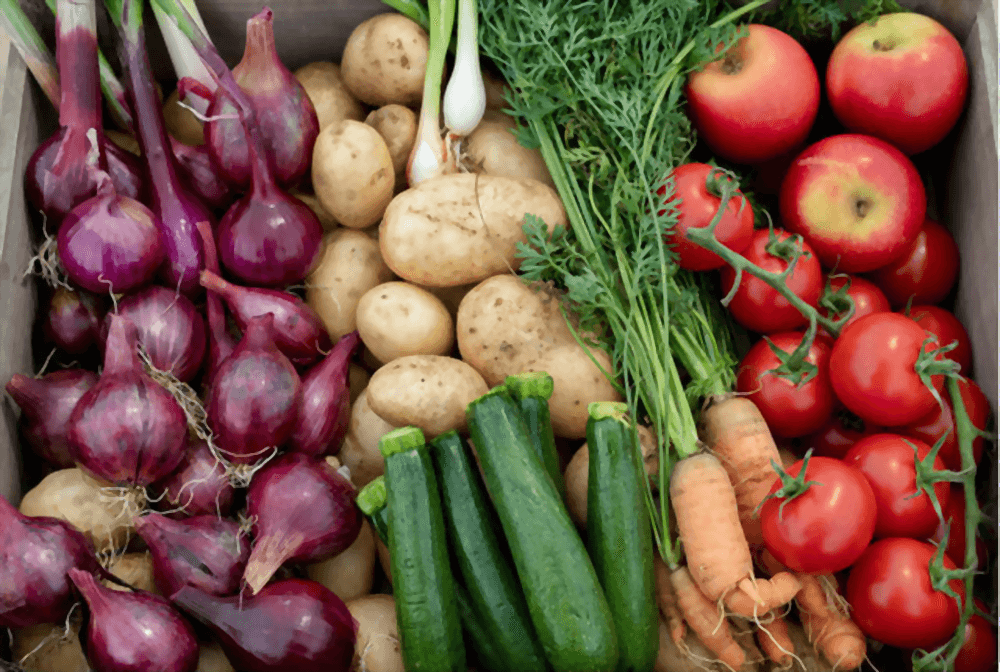
Some grocery products purchased from grocery stores are stored or preserved using some harmful chemicals, which can result in certain allergies or could be detrimental to our health.
Because of this, many have taken it upon themselves to grow their vegetables.
What are the advantages associated with growing your vegetables?
- You get easy access to fresh produce
- Enhanced overall taste because of its freshness and the fact that it contains no chemicals
- It helps you save cash
- Enhanced nutrition
- Prevent pesticide remnant
- Lessons exposure to detrimental chemicals
- Cause no harm to the water table
- It’s eco-friendly
- Enhances biodiversity
If you are thrilled by the idea of having your vegetable garden where you grow your vegetables but don’t seem to know how and where to start, read the following tips to have a good insight into some vegetable gardening tips and hacks for beginners.
Trust us, having a garden that grows quality, nutritious and healthy vegetables that has no chemical residue isn’t a difficult process, as you may think.
1. Before planting, ensure that the soil is well prepared
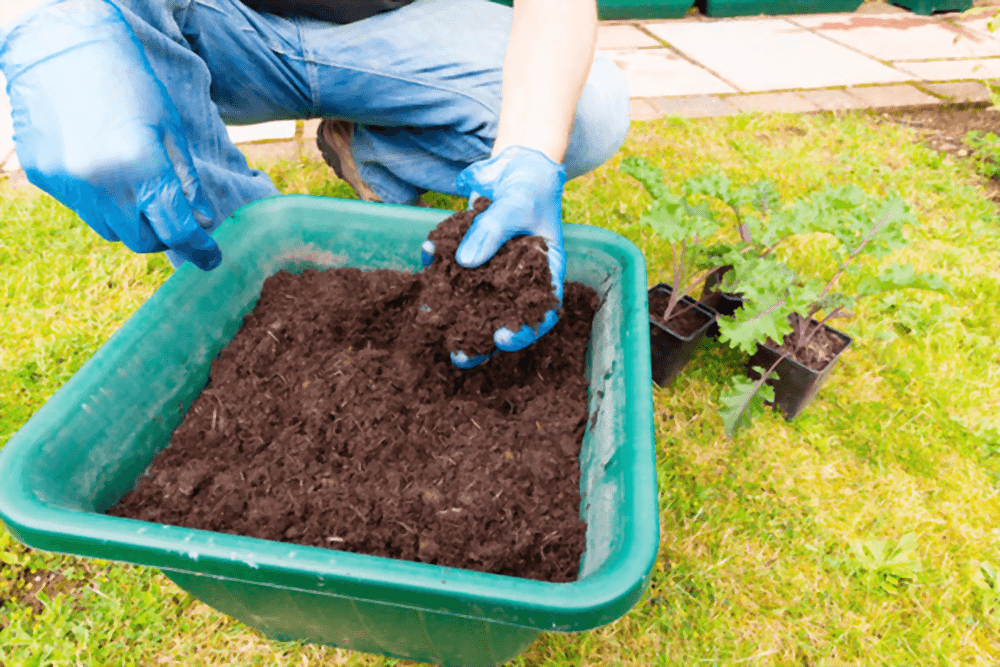
Of course, the first step to take is to prepare the soil for your vegetable seeds; this is quite important and essential.
Although some vegetables may survive in low-quality soils, you should make use of rich soil when planting your vegetable seeds as there are lots of benefits attached to using such soils.
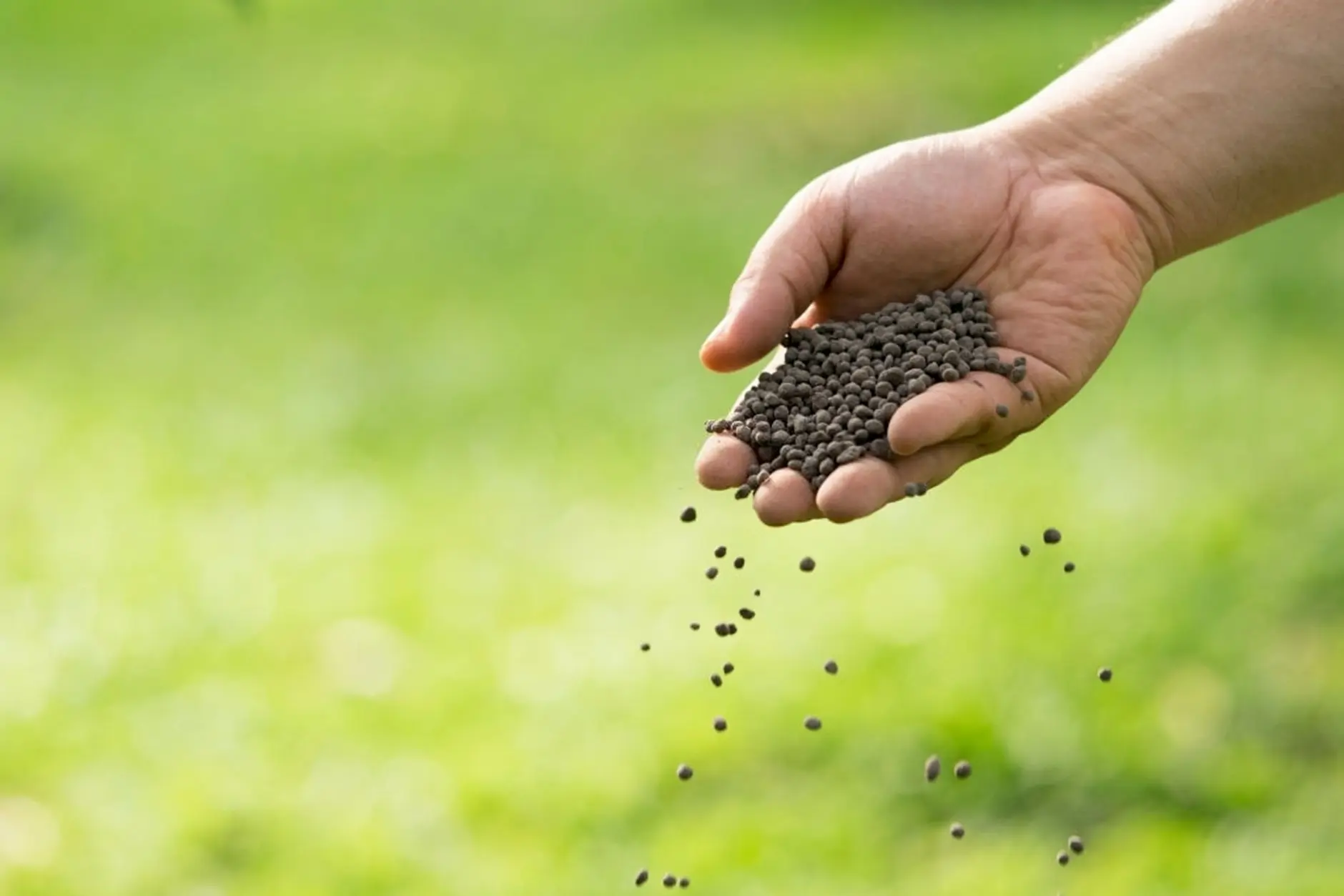
For your good and that of your vegetables, ensure you make out time to work several composts, including other rich organic materials into your garden before you even think of planting anything. Indeed, you will be overwhelmed by the result when it’s time for harvest.
2. Select the best plants for your area and conditions
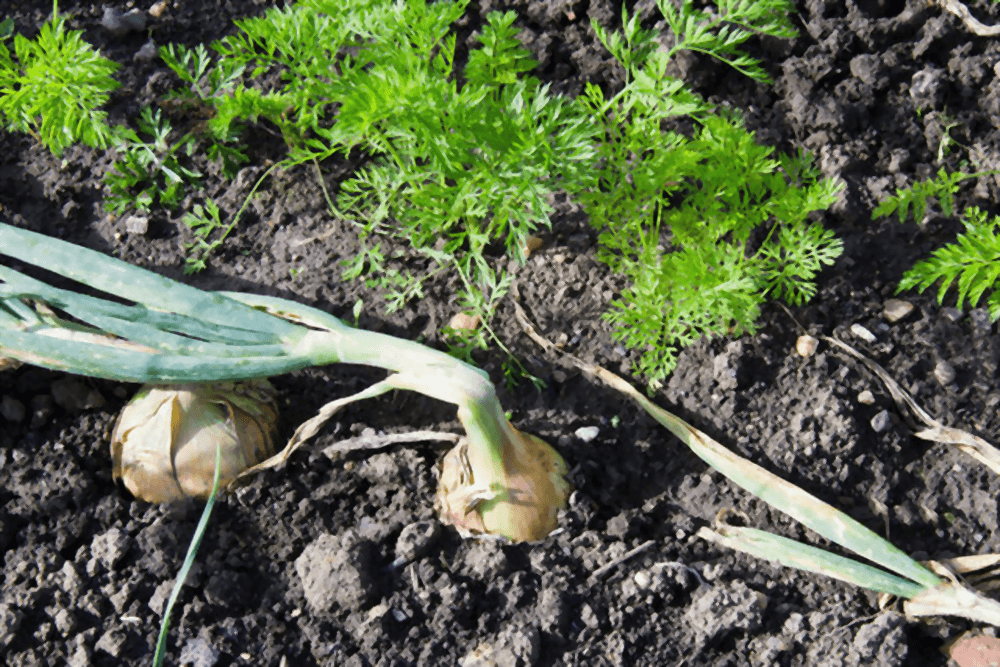
There are certain important surveys you have to perform in your garden before you think of planting vegetables, and one of them is the survey that is done to determine the variety of vegetables that are well suited for the type of soil present in your garden.
There are certain factors you will likely have to consider, and these factors are the amount of rainfall and sunlight your garden will be exposed to, amount other crucial factors.
Contact local farmers and gardeners in your vicinity; these experienced individuals can offer you the best advice regarding the specific types of vegetables that’ll do well in your region.
3. Buy seeds or starter plants from trustworthy sources
You can get vegetable seeds online; you can also purchase these seeds in the market; irrespective of where you purchase them from a source that is trustworthy and reputable.
Also, make sure that the organic seeds you are purchasing are certified and weren’t developed with the aid of pesticides or chemicals. There are several nurseries and seed catalogs out there that have certified organic selections of these vegetable seeds.
You can also visit reputable local farmer markets to purchase your organic seeds and starter plants for your vegetable garden.

4. Elongate the growing period with the aid of raised beds
If you wish to provide your vegetables with the best organic soils to grow, then all you have you do is to make raised beds. Raised beds also help elongate the growing season.
Having a raised bed will make room for the soil to be warmed up in the spring, and this will make weeding and harvesting quite easy and less stressful since you won’t have to stoop so low to perform each action.
Ensure you don’t make use of chemical-treated wood like pressure-treated wood when constructing the sides of your beds.
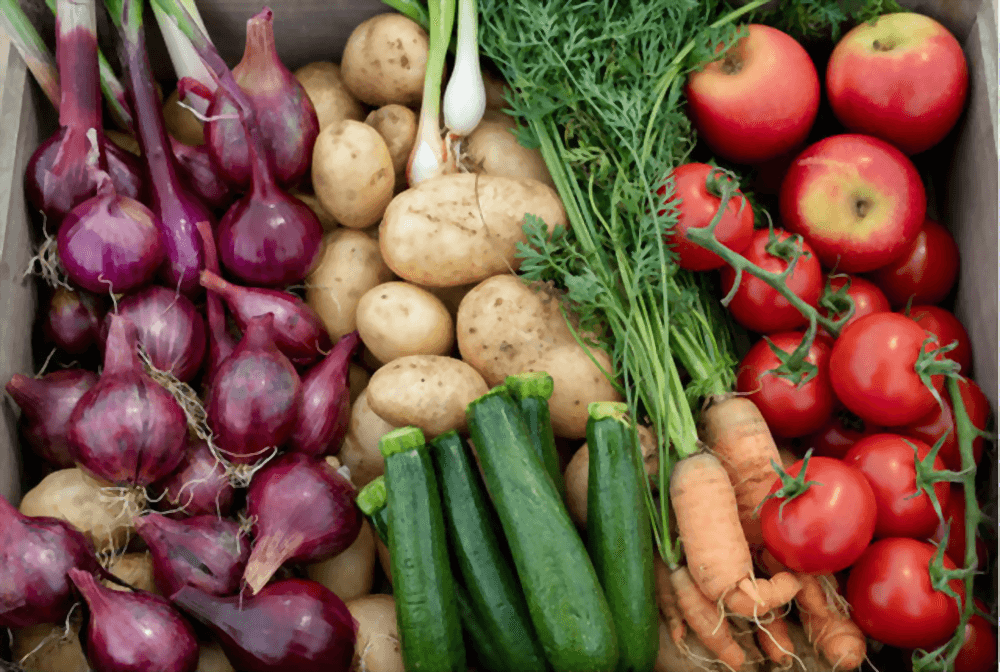
Growing organic vegetables isn’t as tough as you may seem; in fact, it’s more advisable to grow your vegetables for reasons concerning your health and well-being.
Some of the vegetables we see out there are preserved using some pesticides and chemicals, which are quite harmful to our body system.
So, which would you choose, grow your organic vegetables and save yourself, or purchase vegetables and put your health at risk? You know the answer. Happy planting!