What Kind Of Fertiliser Is Best For Corn Seeds

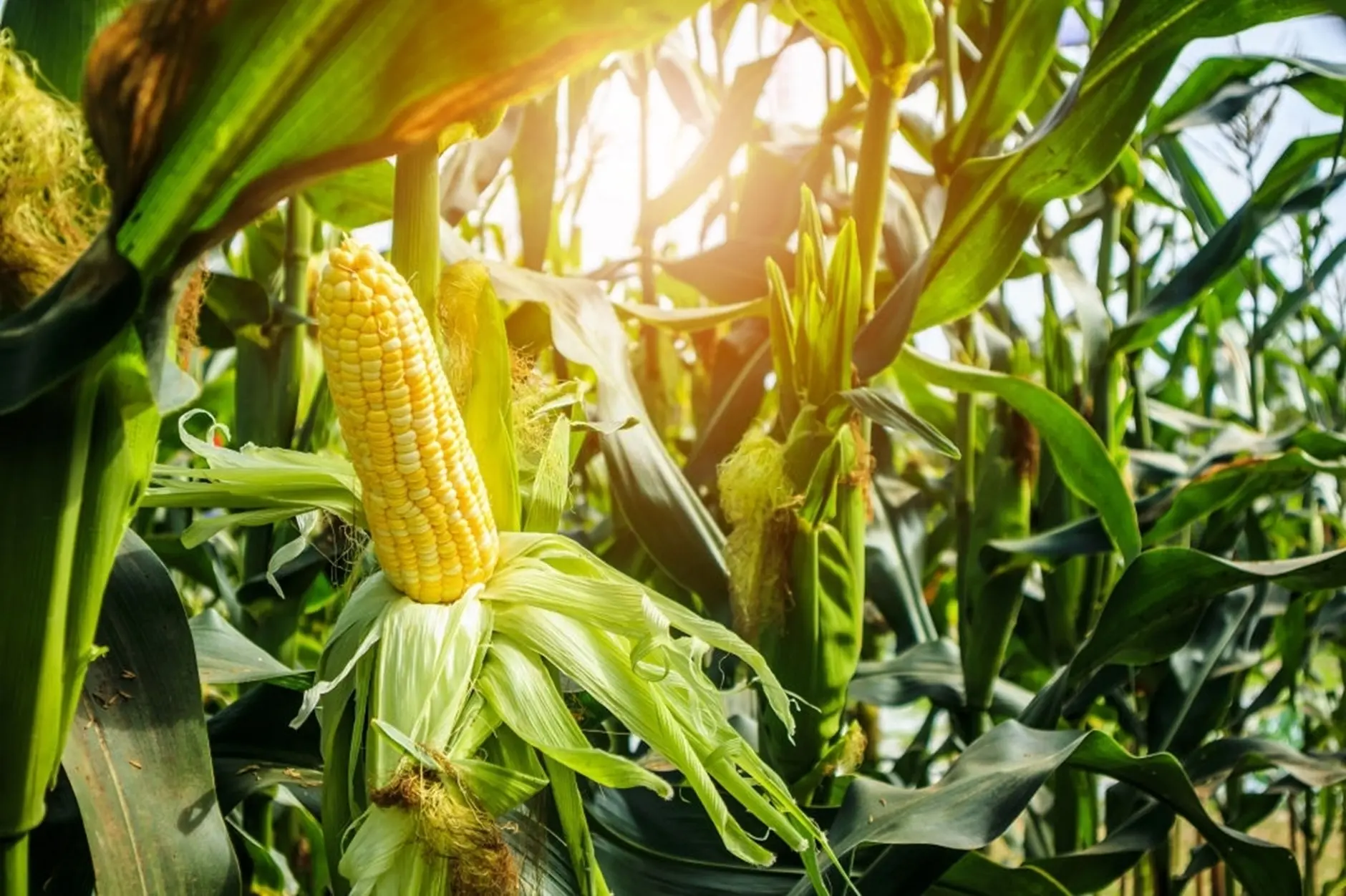
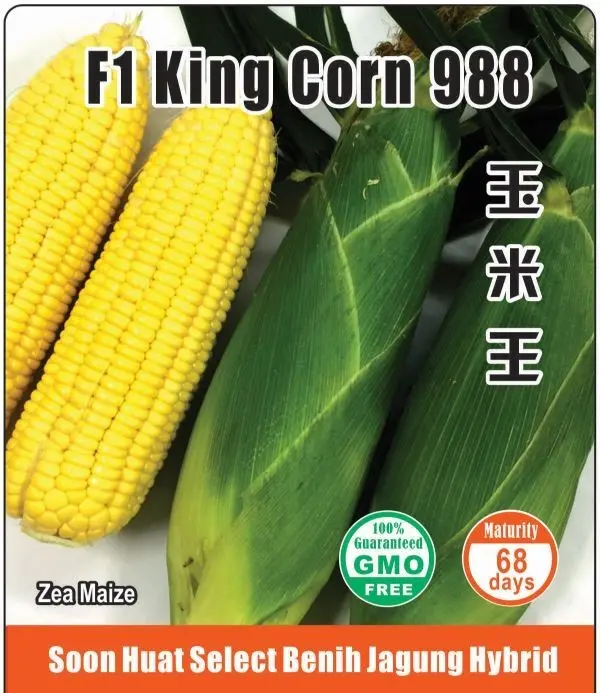
Growing tropical corn seeds is easier than you might think. The reward? You can enjoy fresh corn on the cob every year!
This plant is part of the grass family. Please note that if you’re growing tropical corn seeds in smaller vegetable gardens, it’s best to plant them in square blocks to boost cross-pollination between stalks.
Keep in mind that growing corn in Malaysia is a fantastic idea as it grows best in areas with plenty of sunlight.
If you decide to grow tropical corn seeds, you need the right elements, which are:
- Appropriate drainage
- Adequate moisture
- Full sun
- Rich-nutrient soil
- Fertilizer
- Hand Pollination
It’s essential to know that corn plants need nitrogen and are pollinated by the wind. All arrangements will be gained through the use of fertilizer. However, hand-pollination should be done in some corn plots or if you only plant one to three rows of corn.
Tropical corn seeds are wind-pollinated, and nature does a terrific job of pollinating corn when it’s planted in thick plots and large numbers of rows.
Fertilizers
First, let’s begin preparing the soil. It’s crucial to find a planting location where the corn will get at least eight sun hours. Remember that the area should be big enough, so you can plant more than three rows of corn to ensure wind pollination.
Growing tropical corn seeds is easier, and you can do it in many soil types, but it must drain well. It’s recommended to add compost or well-rotted manure to improve soil fertility and drainage.
Moreover, it’s a wise idea to do a soil test before planting. The perfect pH for corn is between 5.5 and 7.0. Please note that if you have sandy soil, magnesium deficiency may be an issue.
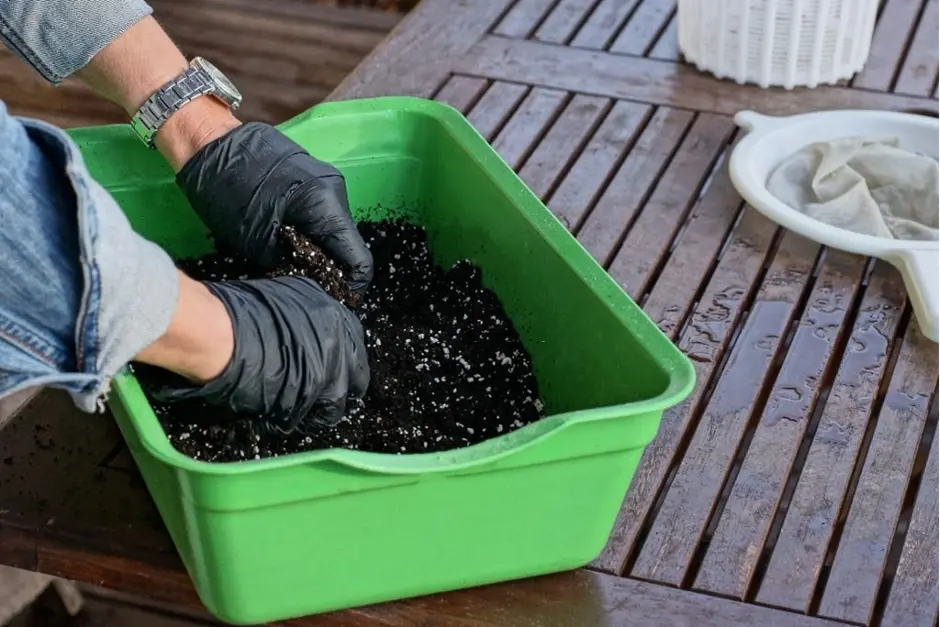
Make sure you clear weeds and any other waste from the vegetable garden. Arrange the soil to a depth of approximately 20 to 25 centimeters. The soil must be moist but not too wet as this can cling to your spade or rototiller, resulting in compacted, poorly drained soil.
Add Nitrogen
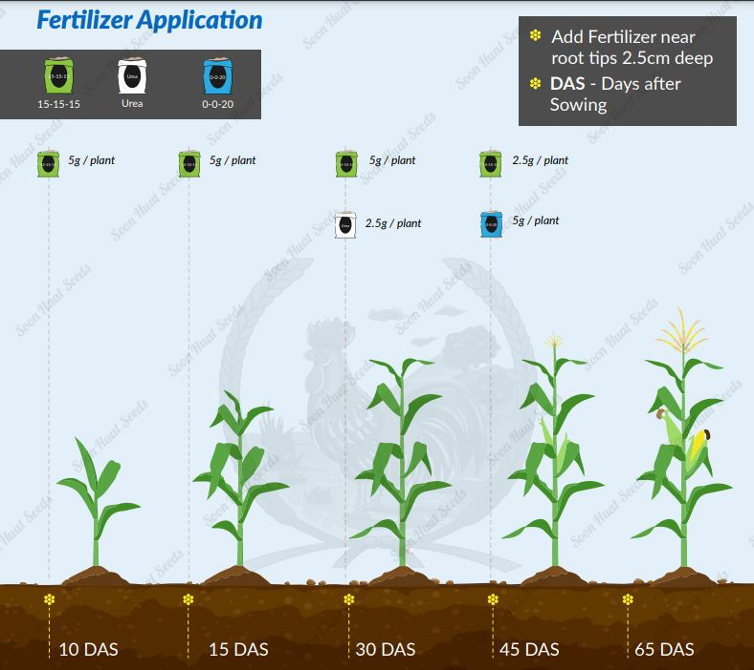
If you’re looking to raise the soil’s nutrient level, it’s an excellent idea to add a dose of nitrogen. Please note that for tall, healthy stalks, tropical corn seeds benefit from a nitrogen-rich soil environment with plenty of phosphorus.
Before planting tropical corn seeds, it’s recommended to sprinkle nitrogen fertilizer over the compost layer lightly. You can use fish meal, cottonseed meal, or blood meal if you want organic nitrogen supplements. Mix the compost and fertilizer with the soil and plant the seeds according to the instructions for your tropical corn seeds variety and layout.
When doing a soil test, add lime if you need to adjust the pH. Without a soil test, a terrific option is to work a balanced 10-10-10 fertilizer into the soil to a depth of 7 to 10 centimeters.
Professional gardeners recommend using about two to three pounds of fertilizers for every 100 square feet of garden space.
Don’t forget to flat the soil surface before sowing seeds. Tropical corn seeds germinate and grow at a temperature of 15 to 32 degrees Celsius. Although it is rare to have cold soil, be careful as it can stop germination or result in low growth.
Sow seeds 7 to 10 centimeters apart and 2.50 centimeters deep. When the seedlings appear, thin the corn so that plants are spaced approximately 30 centimeters apart. Once the corn plants have reached a height of 10 centimeters and before they reach 20 centimeters tall, fertilize the plants with a 16-16-8 liquid fertilizer.
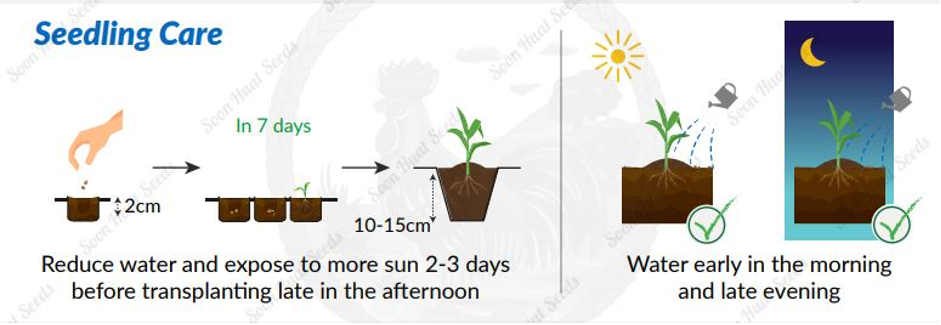
Moreover, it’s recommended to add a few centimeters of organic mulch when the corn is 5 or 7 centimeters tall. Adding mulch will help conserve water in the soil and maintain consistent soil moisture levels that tropical corn seeds need. It also brings earthworms and adds nutrients.
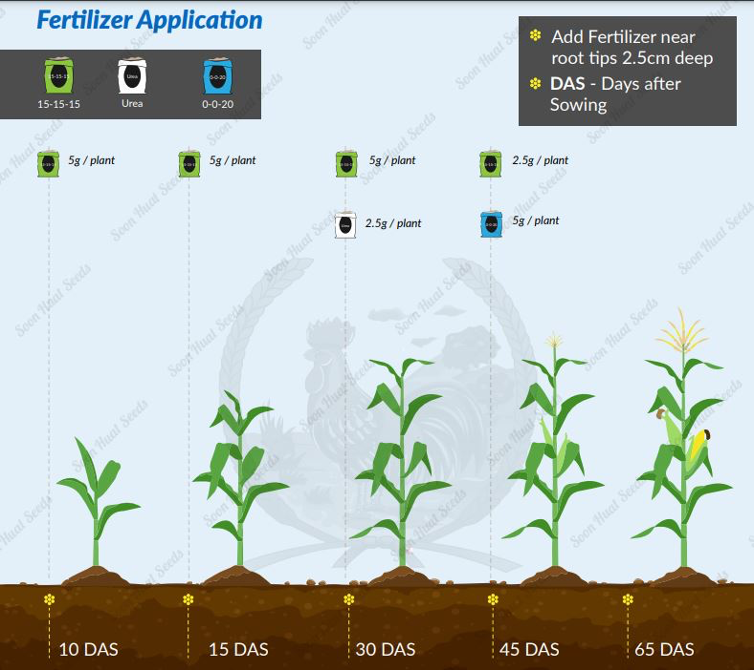
Once the plants are about 25 centimeters tall, it’s time to fertilise the plants again. This time it’s best if you do it by side-dressing instead of directly adding fertiliser to the young plants. Use a 46-0-0 fertiliser product. Spread the nitrogen in a line on the soil surface approximately 15 centimeters from the row of corn. Don’t forget to water the corn to help transport the nitrogen down to the root systems.
Final Stage
Finally, add nitrogen for the last time once the corn ears begin producing silk, using 46-0-0 nitrogen fertilizer. As you can see, growing and caring for tropical corn seeds is easy. Just follow the above tips to grow plump and delicious corn. For more information, feel free to get in touch with us.