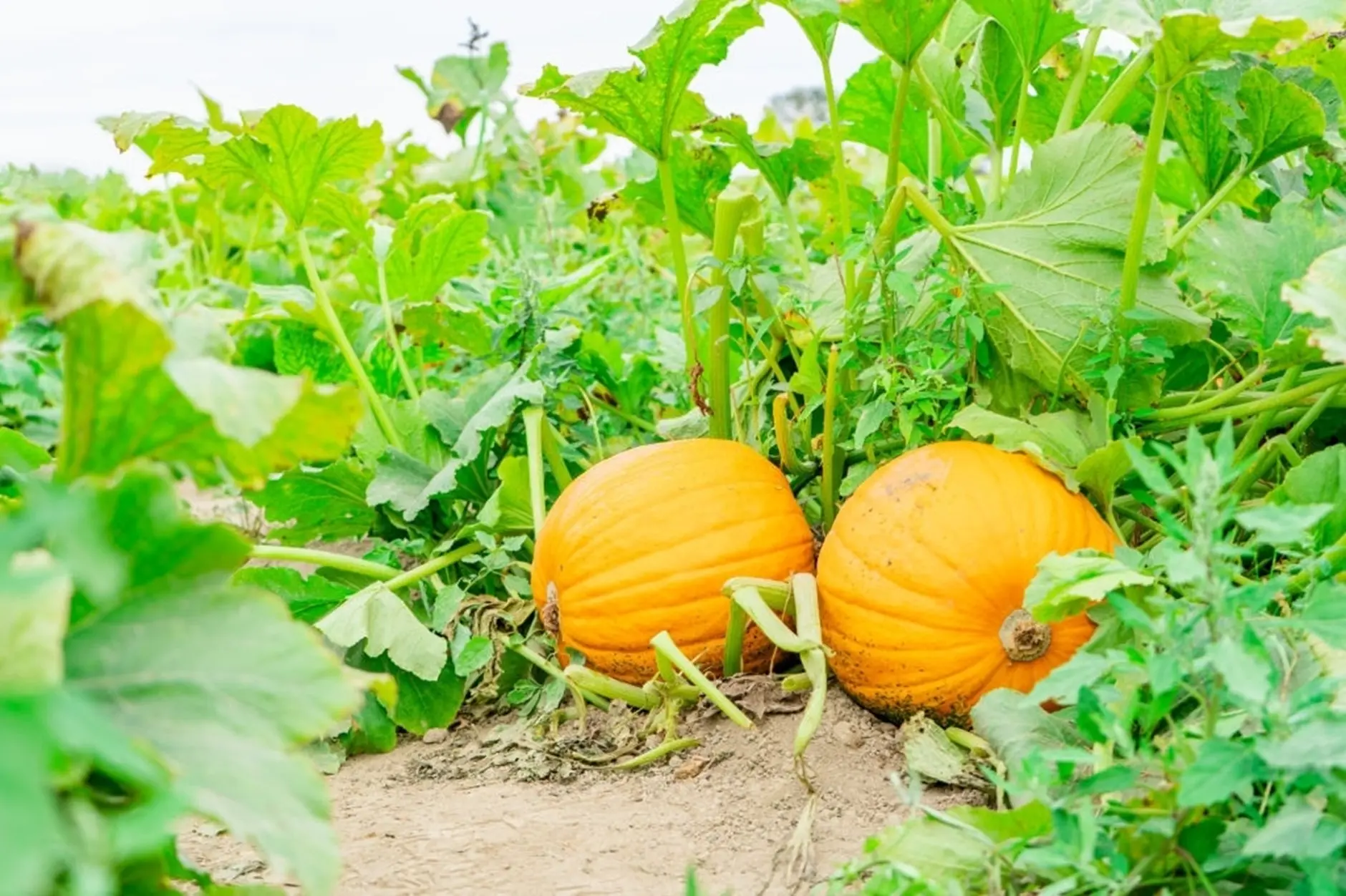
What To Do With Pumpkin Plants After Harvest
If you’re growing pumpkin seeds for the first time, you might not know when it’s time to harvest. Pumpkin plants need to keep growing as long as the vine and leaves are strong and intact.
Unhealthy leaves die because of disease and pests. If this occurs, it’s best to harvest your pumpkins off the vine, as these plants need leaves to keep them nourished and growing.
Another sign you need to look for when growing pumpkin seeds is the colour of the rind also called the skin. Make sure the pumpkin is totally coloured.
Additionally, it’s crucial to ensure the rind is firm. Carefully, press the fingernail or another object into the skin, if it easily develops an impression on the skin, then the plant isn’t ready yet.
Expert gardeners recommend not to harvest your pumpkins when the skin isn’t firm, as this can lead them to dehydrate quickly.
If you’re worried about reshaping the appearance of your pumpkin, you can perform the firmness verification on an area where the mark won’t be noticed.
Another area you must verify before harvesting is the pumpkin’s stem and vine. If you observe the vine is starting to dehydrate and pull away from the stem then it’s time to pick up your pumpkins.
Verifying the stem and vine isn’t required. It’s possible to harvest your pumpkin plants based only on the colour and skin’s firmness.
Once you harvest your pumpkins, it’s time to enjoy them. Here are six simple ways you can use these delicious plants once you pick them up.
Remember to cure pumpkins in the sun for approximately seven days to toughen the skin. Always store the pumpkins in a cool, dry room at a temperature of 12° Celsius.
Keep in mind that if you’re storing pumpkin seeds, they usually last for six years.
1. Eat The Fruit, Leaves, and Flowers
One of the primary benefits of growing pumpkin seeds is you can eat all of these nutritious and delicious plants.
Pumpkin leaves can be used and eaten as well as fruit. You can use them to wrap rice, quinoa, or vegetables.
Another part of the pumpkin you should enjoy is the flowers. You can easily add pumpkin flowers to salads or simple stir-fry. A great option is to batter and fry pumpkin flowers.
Keep in mind that it’s wiser to harvest male flowers since female flowers are where the pumpkin grows.
Growing pumpkin seeds in your vegetable garden allow you to enjoy usually too delicate pumpkin flowers to find in the stores.
2. Ingest Pumpkin Seeds
People love to dig out pumpkin seeds and heat them until they’re crunchy. Once they’re golden and crispy, add a dash of sauce and enjoy!
3. Use Pumpkins As Mulch
If the tendrils begin to grow and you have too many leaves, it’s possible to use them as mulch. You can release pumpkin mulch under your favourite fruit trees or add them to compost.
4. Pumpkin Vines Provide Shade
During hot months, pumpkin vines can create shade if you allow them to grow up. Keep in mind that once the cooler months begin the pumpkins will die letting the sun in.
5. Consume the Pumpkin Skin
Most people enjoy eating pumpkin skin, especially in soups. You can create a pumpkin soup recipe by adding the whole plant including seeds, skin, and flowers.
6. Carving Pumpkins
In the United States, it’s common for children to carve pumpkins for decoration. It’s possible to inscribe messages on growing pumpkins with a hammer and nails.
The letters will mark the plant while it grows and will be visible at harvest time.
The Bottom Line
Pumpkin seeds are some of the best plants to grow in Malaysia as they love sunny places.
For a better harvest, we recommend planting them in fertile soil, a sunny location and giving them enough space to grow. It’s essential to avoid watering them daily when the plants are very young.
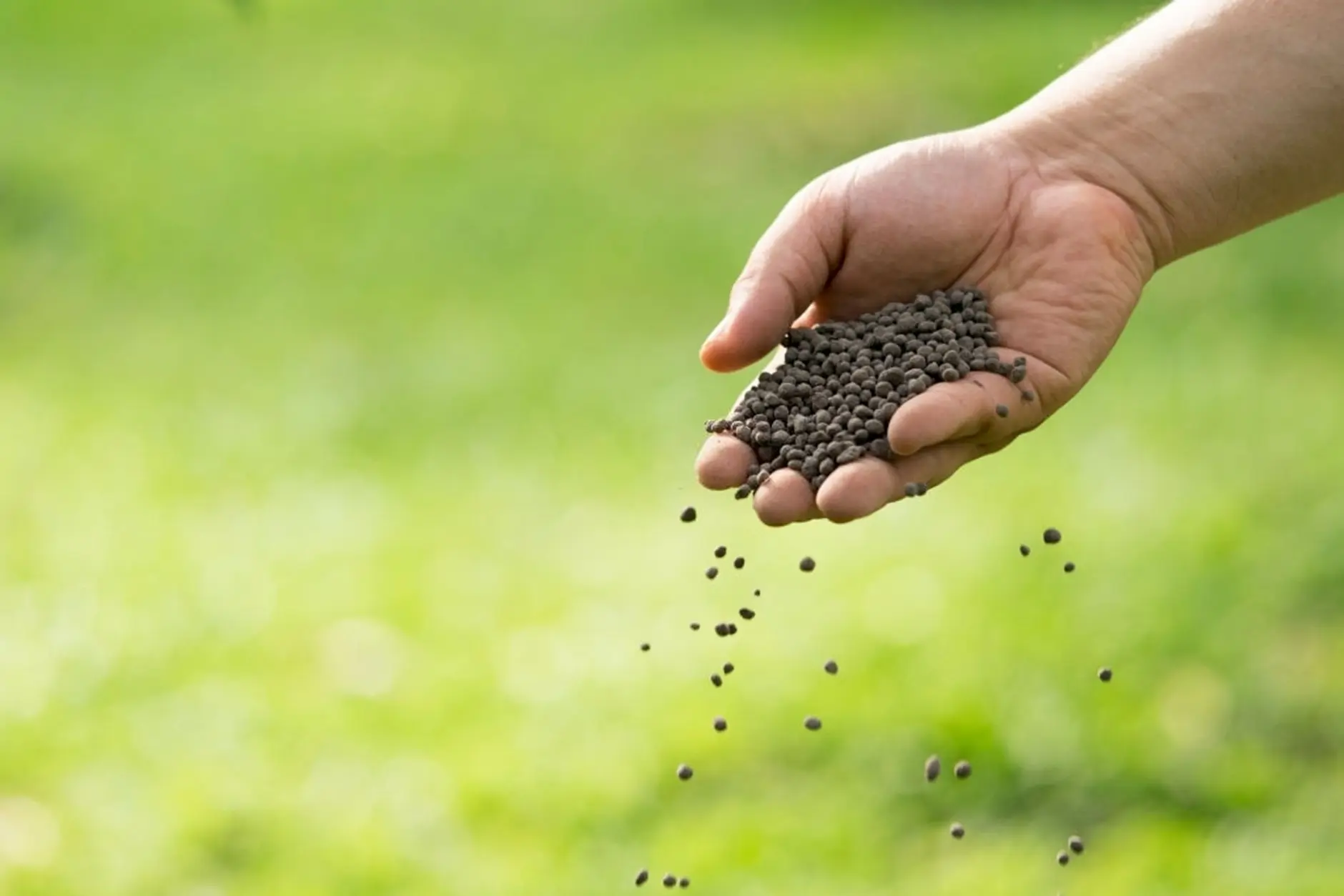
Keep in mind that pumpkins are heavy feeders so it’s a good idea to use fertilisers.
They come in many varieties — different shapes, colours, and sizes, so choose the one that best suits your needs. Pumpkins are some of the most delicious and nutritious fruits you can grow.
Have fun and enjoy the process!